
Mop pads influence cleaning performance, ongoing operating costs, product positioning, and customer satisfaction. Retailers and cleaning-product distributors therefore need to compare reusable microfiber pads with disposable wet mop pads before selecting products for household, office, hospitality, or commercial cleaning markets.
Reusable microfiber pads for mop systems can be washed and used repeatedly, while disposable pads are designed for quick replacement after one or several cleaning tasks. Neither format is ideal for every buyer. The better option depends on cleaning frequency, floor type, labor conditions, target retail price, and whether customers prioritize convenience or long-term economy.
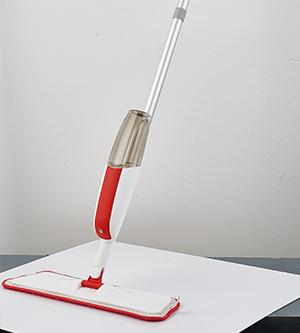
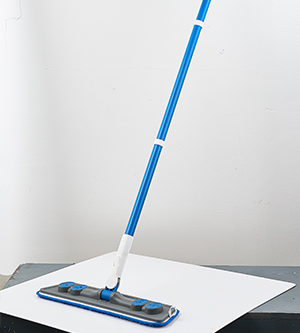
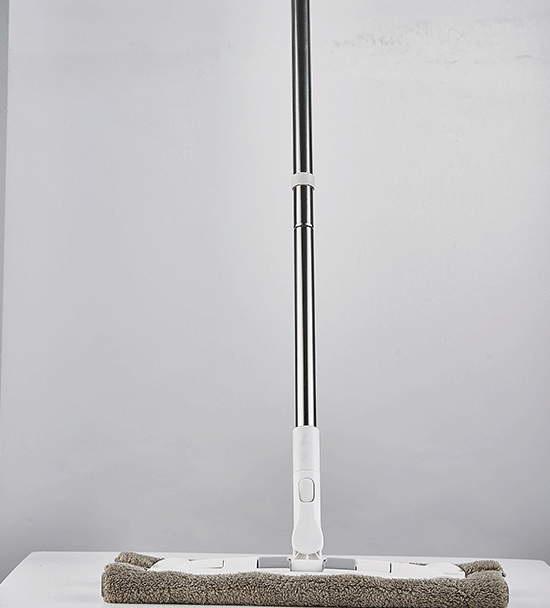
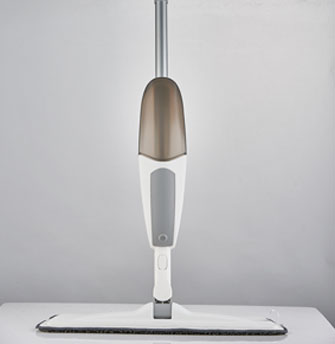
Merrell supplies spray mop, flat mop, chenille, and tassel pad options for different cleaning systems, giving wholesale buyers several reusable pad structures to consider.
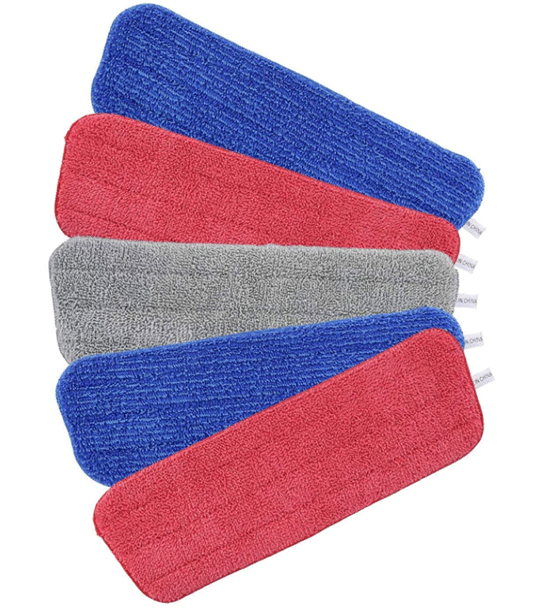
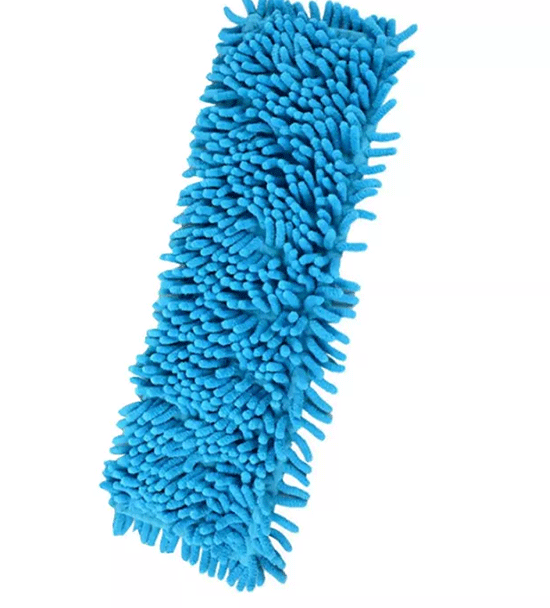
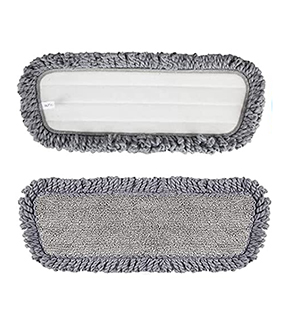
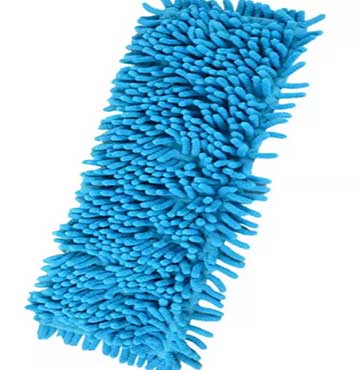
Reusable microfiber pads are normally attached to a flat or spray mop head with a hook-and-loop or pocket-style structure. After cleaning, the user removes, washes, dries, and reinstalls the pad. A chenille mop pad is another reusable option that provides a thicker fiber structure for users who need additional dust pickup and moisture absorption during floor cleaning.
Disposable wet mop pads are usually pre-moistened or designed for use with a cleaning solution before being discarded. They reduce post-cleaning laundry but require a continuous supply of replacement pads.
| Comparison factor | Reusable microfiber mop pad | Disposable wet mop pad |
|---|---|---|
| Usage cycle | Washed and reused | Discarded after limited use |
| Ongoing purchasing | Periodic replacement | Frequent refill purchasing |
| Cleaning preparation | Add water or selected solution | Often supplied ready to use |
| Maintenance | Requires washing and drying | Minimal pad maintenance |
| Waste volume | Lower with repeated reuse | Higher due to regular disposal |
| Product strategy | Mop plus replacement-pad sales | Mop plus recurring consumable sales |
Reusable pads are often more suitable for frequent household or commercial cleaning. Disposable pads may appeal to consumers who prioritize fast cleanup, travel use, or reduced handling of dirty cloths.
Buyers planning microfiber mop pads bulk orders should calculate cost per cleaning cycle rather than comparing pad prices alone.
For reusable products, the approximate cost per use can be estimated as:
Pad cost per use = purchase price ÷ expected usable cleaning cycles
The calculation can also include washing labor, water, detergent, and drying costs. For disposable products, the cost per use is usually close to the purchase cost of each pad, plus storage and waste-handling expenses.
Suppose a reusable pad costs $2.40 and remains suitable for 100 cleaning cycles. Its direct pad cost would be approximately $0.024 per use before laundry expenses. A disposable pad costing $0.20 per cleaning would generate a substantially higher pad expense over the same 100 cycles, although it would avoid washing.
Wholesale buyers should review:
Unit price at each order quantity
Expected reusable pad life
Number of pads included with each mop
Washing and drying requirements
Replacement-pack configuration
Retail and export packaging
Carton quantity and freight cost
Storage space for disposable refills
The final choice should reflect how customers actually clean. A reusable pad has limited value when users are unwilling or unable to wash it properly, while disposable refills may become unattractive when frequent cleaning creates high recurring costs.
Microfiber contains fine synthetic fibers that help collect dust, hair, loose particles, and moisture across hard surfaces. Pad construction still matters because different textures are suited to different cleaning tasks.
A flat woven microfiber surface can support routine damp cleaning, while chenille strands provide more contact points for collecting hair and debris. Merrell’s double-sided chenille design combines chenille on one side with coral fleece on the other, allowing users to select a surface according to the cleaning task.
Reusable pads also allow users to select an appropriate cleaning solution instead of being limited to the formulation supplied in a pre-moistened refill. This can be useful when different products are required for hardwood, laminate, tile, vinyl, or concrete.
Disposable wet pads provide a consistent amount of prepared cleaning material and can be convenient for quick spot cleaning. However, performance may decline once the pad becomes saturated with dirt or loses moisture. Large areas may therefore require several pads during one cleaning session.
For both formats, effective performance depends on:
Pad dimensions and floor contact
Fiber density and texture
Water absorption
Dirt-holding capacity
Attachment stability
Compatibility with the mop head
Suitability for wet or dry cleaning
Microfiber wet mop pads should match the floor surface and intended moisture level. Tile and concrete may tolerate more water, while laminate and wood surfaces generally require controlled damp cleaning.
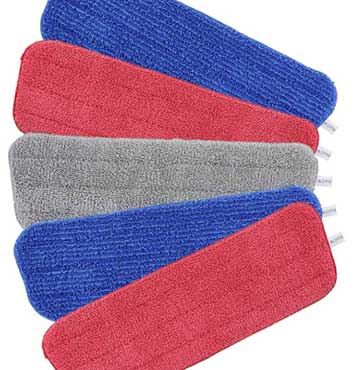
Merrell’s MP-S1 spray mop pad measures 39 × 12.5 cm and is listed for hardwood, wood, laminate, ceramic, vinyl, concrete, tile, and other hard floors. The product is made from microfiber and can be supplied in colors selected according to order requirements.
Buyers should confirm whether the pad will be used for:
Dry dust collection
Routine damp cleaning
Spill absorption
Pet hair removal
Kitchen grease cleaning
Commercial maintenance
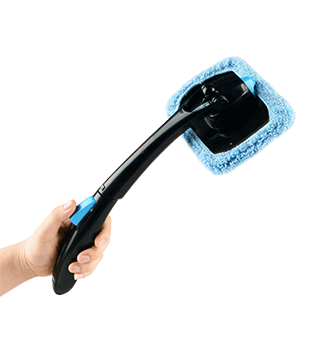
Window or wall cleaning
The cleaning solution must also be compatible with the floor. A suitable pad cannot prevent damage caused by excessive water or an inappropriate chemical. Consumer instructions should therefore explain recommended moisture levels, cleaning methods, and pad-care procedures.
The keyword microfiber disposable mop pads is often used by buyers searching for convenient replacement products, but reusable microfiber pads and true disposable pads should be clearly distinguished in product listings.
Retail descriptions should state whether the pad is:
Machine washable
Intended for single use
Compatible with wet and dry cleaning
Supplied dry or pre-moistened
Designed for a specific mop head
Suitable for repeated laundering
Ambiguous descriptions can increase customer complaints and product returns. A washable microfiber product should not be marketed as disposable merely because users can replace it.
Retailers can also offer both formats. Reusable pads may form the main product range, while disposable cloth compatibility can be promoted for occasional situations where laundering is inconvenient. Merrell’s flat mop systems support reusable microfiber cleaning and include models designed to work with disposable wipes, allowing brands to address different cleaning preferences.
Before confirming a microfiber mop pads wholesale order, buyers should test samples with the intended mop frame and target floors.
The supplier review should cover:
Pad dimensions and production tolerance
Fiber material, weight, and construction
Edge stitching and seam strength
Hook-and-loop attachment performance
Absorption and dirt collection
Condition after repeated washing
Color, logo, and packaging options
MOQ, production capacity, and lead time
Merrell lists an MOQ of 3,000 pieces for its MP-S1 spray mop pad, with sample lead time of approximately one week and production lead time of around 30 days after payment terms are confirmed. Final quantities, specifications, and delivery schedules should be reconfirmed for each order.
Buyers should approve a final pre-production sample that includes the correct material, dimensions, color, label, and packaging. Replacement packs should also be tested to ensure they remain compatible with the corresponding mop model.
They can provide a lower cost per cleaning because one pad can be washed and used repeatedly. The total saving depends on pad durability, washing costs, and cleaning frequency.
Yes. Many microfiber pads can collect dust and hair when dry and absorb water or cleaning solution during damp cleaning.
Including two pads is practical because customers can use one while the other is being washed or dried. The final set configuration depends on price positioning.
Yes. Pad size, color, material structure, packaging, and branding may be customized according to the product design and order quantity.
Remove loose debris, wash according to the care instructions, and avoid products that coat the fibers and reduce cleaning performance. Merrell advises against bleach and fabric softener for its chenille microfiber pads.
Reusable microfiber mop pads generally offer lower long-term pad costs, flexible cleaning-solution selection, and reduced dependence on single-use refills. Disposable wet mop pads offer fast replacement and minimal laundering, but they create recurring purchasing and waste-management requirements.
For bulk buyers, the decision should consider cost per use, cleaning performance, floor compatibility, pad durability, packaging, and consumer habits. Merrell can supply reusable spray, flat, chenille, and tassel mop pads for wholesale and customized cleaning-product programs.