
Window cleaning requires two basic actions: loosening dirt from the glass and removing the remaining water before it dries. A window mop is designed mainly for washing and wiping, while a squeegee uses a rubber blade to pull liquid from the surface. In many situations, the best result comes from combining both functions rather than choosing only one tool.
Indoor glass generally requires controlled moisture to protect frames, walls, floors, and nearby furniture. Exterior windows may need stronger washing action because they collect dust, pollen, rain marks, and other outdoor residue. Selecting the right window glass cleaning mop therefore depends on the location, contamination level, window size, and access conditions.
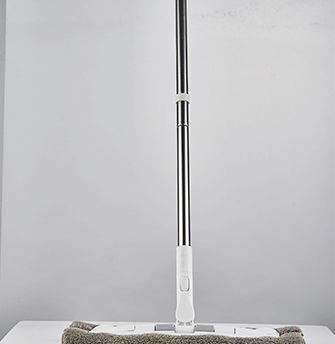
Merrell’s window cleaning tools combine a microfiber cleaning surface with a water-removal blade, allowing users to wash the glass and remove residual moisture with one tool.
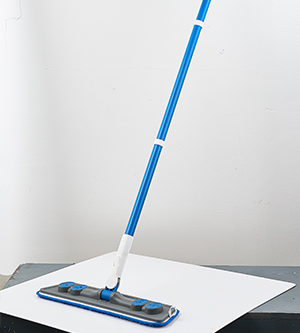
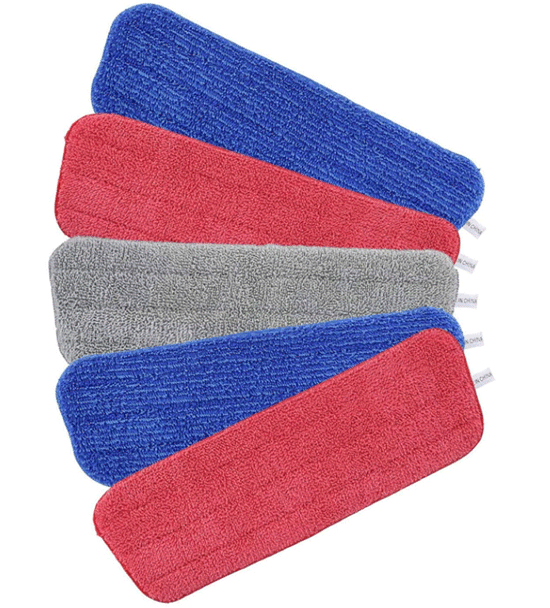
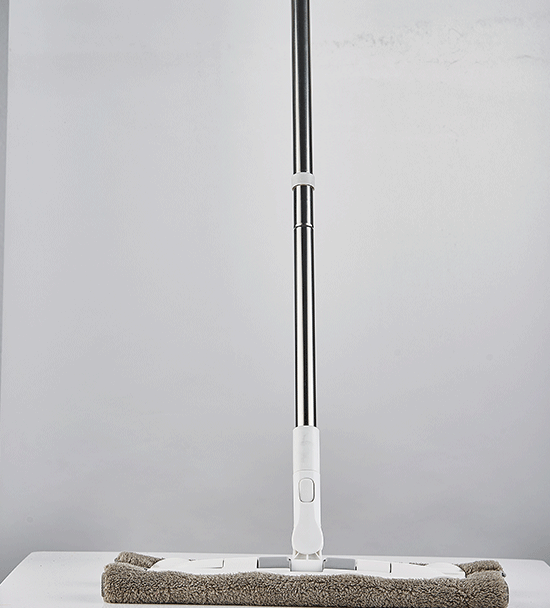
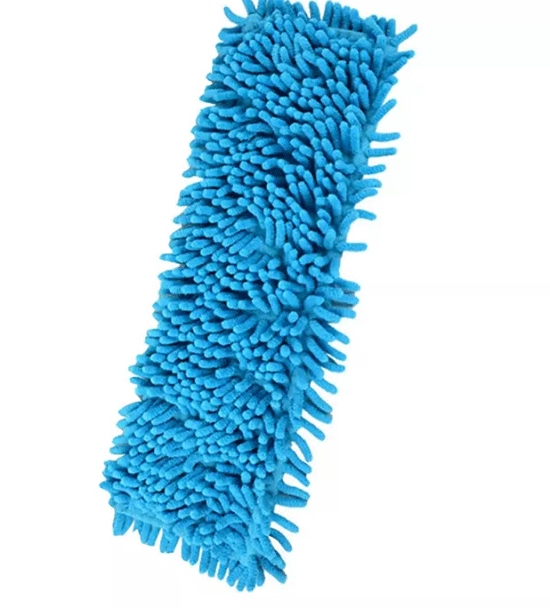
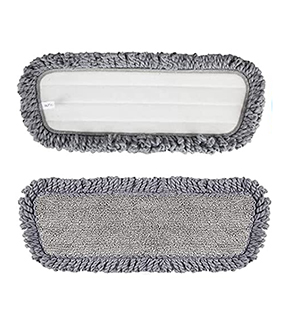
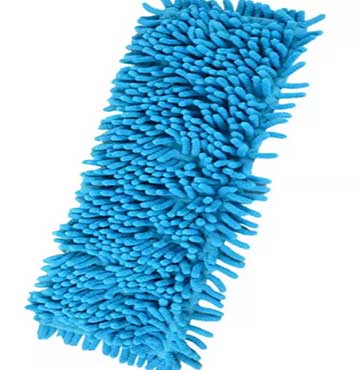
A window washing mop uses a microfiber pad or similar cleaning surface to apply water or cleaning solution and loosen dirt from the glass. The fibers maintain contact with the surface, helping collect dust and wipe away fingerprints, light grease, and everyday marks.
A squeegee performs the drying stage. Its flexible rubber blade moves cleaning liquid toward the edge of the window, reducing the amount of moisture that remains on the glass. Professional window-cleaning methods commonly combine a washer or cloth-covered tool with a squeegee rather than expecting the blade alone to remove attached dirt.
The practical difference is simple:
| Cleaning task | Window mop | Squeegee |
|---|---|---|
| Applying cleaning solution | Suitable | Not designed for this task |
| Loosening attached dirt | Effective with a microfiber pad | Limited without prior washing |
| Collecting dust and fingerprints | Effective | Limited |
| Removing water | Absorbs some moisture | Removes liquid more completely |
| Reaching upper glass | Suitable with an extension handle | Suitable with compatible extension equipment |
| Final streak control | May require a dry cloth or blade | Effective when the blade is clean and correctly used |
A combined mop-and-blade design can reduce tool changes, which is useful for routine household cleaning and smaller commercial spaces.
Indoor windows usually have lighter contamination than exterior surfaces. Common problems include fingerprints, cooking residue, dust, pet marks, and small water spots. A microfiber mop can loosen these marks while limiting the amount of liquid applied to the glass.
Controlling water is important indoors because excessive runoff can reach wooden frames, painted walls, flooring, curtains, or electrical fixtures. Marvin’s window-cleaning guidance cautions that squeegees can create excessive runoff indoors when too much water is used.
A mop for windows is especially practical indoors when cleaning:
Large patio doors and interior glass partitions
Mirrors and shower glass
Upper sections of residential windows
Retail display glass
Glass doors in offices and public buildings
For lightly soiled indoor glass, the microfiber surface can be used with a small amount of compatible cleaner. After wiping, the glass can be dried with the integrated blade or a clean microfiber cloth.
A squeegee remains useful for larger indoor panes, but users should apply less liquid and protect the sill or floor. The blade should be wiped regularly so collected dirt is not transferred back to the glass.
Exterior windows collect more abrasive and attached contamination, including road dust, pollen, mud splashes, rain residue, insects, and environmental deposits. Pulling a dry squeegee directly across this surface will not provide effective cleaning and may drag particles across the glass.
A window washing mop should first wet and agitate the surface. The microfiber pad helps release dirt and distribute cleaning solution across the entire pane. The squeegee can then remove the dirty water before it dries.
For exterior glass, follow this sequence:
Remove loose dust, cobwebs, and heavy debris.
Wet the microfiber pad with water or an approved glass cleaner.
Wash the pane from the top downward.
Use the squeegee blade to remove the dirty liquid.
Wipe the blade after each pass.
Dry the edges and sill with a clean cloth.
Cleaning from the top down helps prevent dirty water from running over an area that has already been finished. Working in direct sunlight should also be avoided when possible because cleaning solution may dry too quickly and leave visible marks.
For difficult-to-reach exterior windows, an extension handle allows users to work from a safer position. High or inaccessible windows may still require professional access equipment rather than an ordinary household pole.
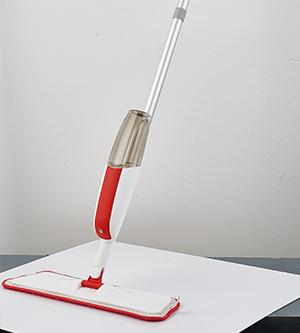
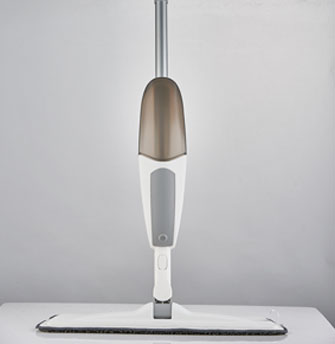
A window trigger spray mop incorporates a small liquid container and a trigger-operated spray mechanism. This format can be useful when carrying a bucket is inconvenient or when only a limited amount of cleaning solution is required.
Trigger spraying gives the user more control over where the liquid is applied. It may suit indoor windows, mirrors, vehicle glass, glass doors, and small storefront areas. Controlled spraying also helps reduce dripping around frames and sills.
However, a built-in bottle has limited capacity. It may not be the most efficient option for cleaning many heavily soiled exterior windows. Larger jobs usually require more water, repeated rinsing, and a separate cleaning container.
When comparing a trigger spray model, buyers should check:
Bottle capacity and removal method
Spray direction and coverage
Trigger durability
Bottle sealing and leakage resistance
Pad absorbency and attachment
Handle reach and joint stability
Availability of replacement pads
Compatibility with the intended cleaning solution
The spraying system should distribute liquid onto the target area rather than allowing it to run immediately down the handle or frame.
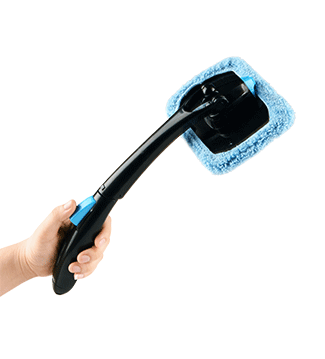
A two-in-one tool provides a practical compromise between a separate washer and a separate squeegee. Merrell’s window cleaning mop has a microfiber pad on one side and a blade on the other. The pad removes dust and attached marks, while the blade removes residual water after washing.
This configuration is useful for households and retailers that need one compact tool for both indoor and exterior glass. Users can wash one section, rotate the head, and remove the water without setting down one tool and picking up another.
The combined design should still be evaluated carefully. Buyers should check whether the head rotates securely, whether the blade maintains even contact with the glass, and whether the microfiber pad can be removed for washing. A replaceable blade or pad can also extend the useful life of the complete product.
Wholesale buyers should test the complete cleaning process rather than assessing the product only by appearance. A professional-looking tool may still perform poorly if the blade leaves gaps, the pad shifts during use, or the handle flexes under pressure.
The sample evaluation should include:
Microfiber density and edge stitching
Pad removal and reattachment
Water absorption and dirt pickup
Squeegee blade straightness
Blade contact across the complete width
Handle comfort and extension stability
Performance on both dry and wet glass
Packaging and assembly instructions
The buyer should also define whether the product is intended for household users, vehicle cleaning, commercial glass, or retail windows. This affects the required handle length, head width, pad structure, and packaging format.
A mop is better for applying solution and loosening dirt, while a squeegee is better for removing water. A combined tool provides both functions.
Yes. Streaks may result from too much cleaner, dirty water, a saturated pad, or incomplete drying. Using a clean blade after washing helps reduce residue.
It is suitable for light exterior cleaning, but a small bottle may be inefficient for large or heavily contaminated windows.
Yes. Use a limited amount of compatible cleaner and remove the remaining moisture before it dries.
Remove the pad after cleaning, rinse or wash it according to its care instructions, and allow it to dry fully before storage.
A window mop and a squeegee are not direct substitutes because they perform different stages of glass cleaning. The mop loosens and collects dirt, while the squeegee removes dirty water and supports a clearer finish.
For indoor glass, controlled application and a microfiber surface help reduce dripping. For exterior windows, a washing pad is useful for removing heavier contamination before the blade completes the drying stage. A combined window glass cleaning mop offers a convenient solution by integrating both functions into one reusable cleaning tool.