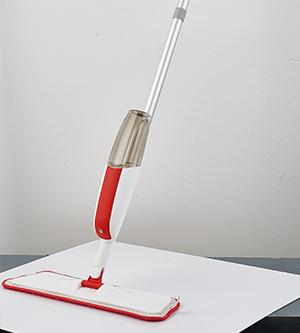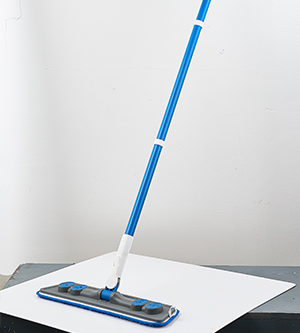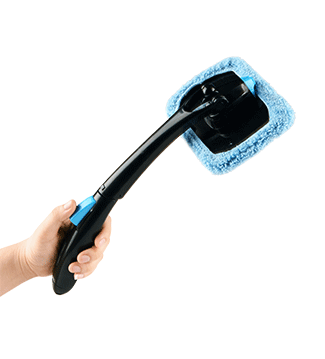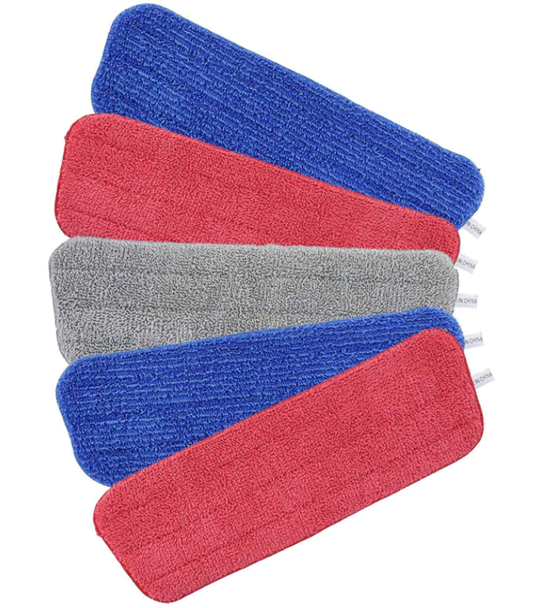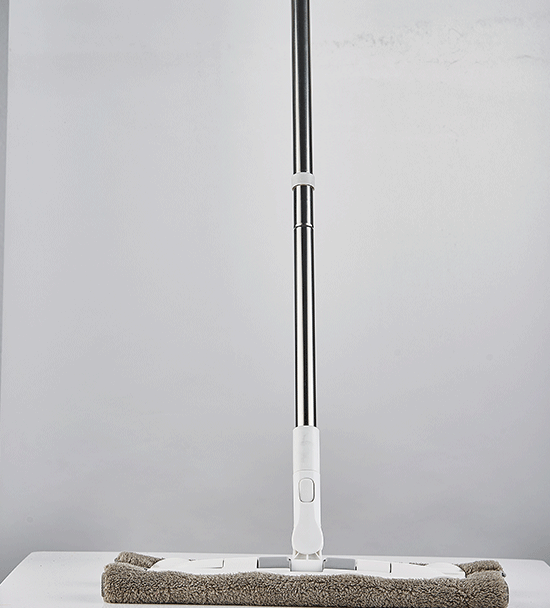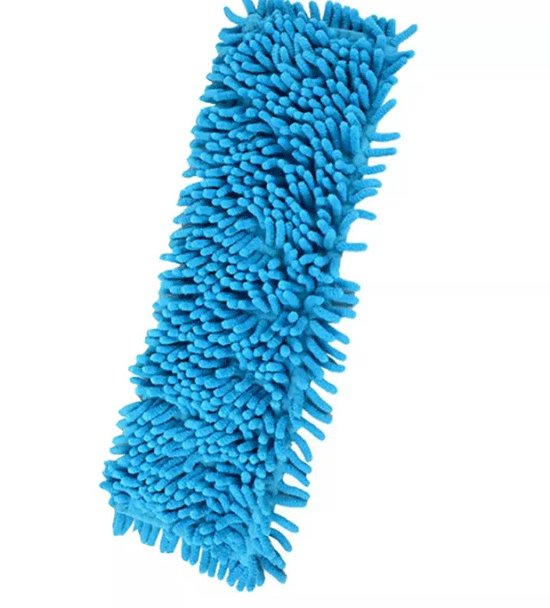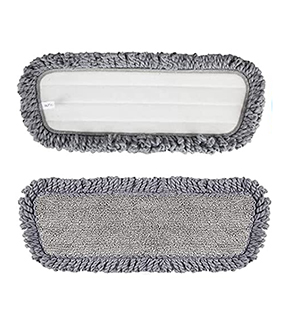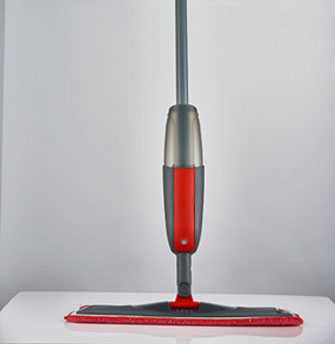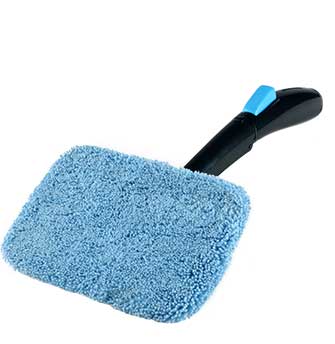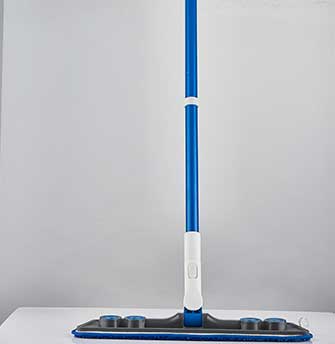

Importers, cleaning-product brands, distributors, supermarkets, and e-commerce sellers often source mops from China because the market offers a wide range of flat mops, spray mops, microfiber pads, handles, and related cleaning accessories.
However, comparing microfiber mop manufacturers only by unit price can create problems later in the supply chain. A mop is a relatively simple-looking product, but its performance depends on multiple components: handle strength, rotating joints, pad attachment, microfiber quality, bottle construction, trigger reliability, and assembly consistency.
Buyers sourcing a mop in China should therefore evaluate the factory as a complete product-development and quality-control partner rather than simply as a low-cost supplier.
The first step is confirming whether the supplier actually specializes in the product category being purchased.
A capable mop manufacturer should understand:
handle structures;
mop-head design;
joints;
cleaning pads;
spray mechanisms;
bottle assemblies;
packaging.
A supplier with a broad cleaning-product range may also make it easier for distributors to source several related SKUs from one factory.
Merrell's product portfolio includes microfiber mops, flat mops, spray mops, mop pads, and other household cleaning products, making it possible to develop related product ranges rather than isolated single items.
For buyers comparing microfiber mop suppliers, product specialization can also make technical communication faster when modifications are needed.
A mop should be evaluated as a mechanical assembly.
The handle needs sufficient rigidity for normal cleaning pressure without becoming unnecessarily heavy.
Common handle considerations include:
material;
tube thickness;
connection joints;
grip design;
length;
hanging hole.
The mop head is equally important.
A flat mop may need a low-profile structure to reach under furniture, while a spray mop also needs enough space to integrate the liquid-delivery system.
Rotating joints should move smoothly while remaining stable during cleaning.
A joint that becomes loose too quickly can make the mop difficult to control.
When evaluating a mop china sourcing project, buyers should therefore request assembled samples and test them through repeated directional movements rather than inspecting individual components only.
The cleaning pad is one of the strongest indicators of actual product performance. For distributors and cleaning product brands looking for reliable supply options, microfiber mop pads wholesale can provide a suitable solution for bulk purchasing needs.
Microfiber quality influences:
dust collection;
water absorption;
hair pickup;
floor contact;
washing durability.
Two pads that look almost identical may perform differently because of fiber density, yarn structure, fabric weight, or stitching.
Buyers should test sample pads using actual cleaning scenarios.
Useful checks include:
dry dust collection;
water absorption;
stain pickup;
washing;
shrinkage;
attachment after laundering.
For reusable products, one wash cycle is not enough to evaluate durability.
Private-label brands should consider repeated wash testing because customer satisfaction depends on how the pad performs after weeks or months of use.
Reliable microfiber mop manufacturers should be able to discuss pad specifications rather than simply describing the material as “microfiber.”
Product-range capability matters when buyers plan a full retail or distribution program.
A supplier offering only one mop design may be suitable for a single SKU, but a brand may eventually need:
basic flat mop;
spray mop;
replacement mop pads;
different handle options;
window-cleaning products;
accessories.
Working with one experienced supplier across related products can simplify:
quality standards;
packaging coordination;
color matching;
shipment consolidation;
communication.
However, buyers should not assume that a factory is equally strong in every category.
A spray mop involves trigger, bottle, nozzle, and liquid-delivery components that are not required on a basic flat mop.
The buyer should therefore inspect samples from each actual product family planned for purchase.
OEM/ODM capability is especially important for brands that want to avoid selling a completely generic mop in China configuration.
Customization can include:
mop color;
handle finish;
grip design;
pad material;
replacement-pad quantity;
bottle color;
logo;
labels;
retail cartons.
More advanced ODM projects may involve structural changes to the mop head, handle, trigger system, or product combination.
Before requesting customization, buyers should separate requirements into two groups:
Mandatory
required dimensions;
brand color;
logo;
packaging;
target performance.
Optional
cosmetic details;
additional accessories;
alternative pad styles.
This helps the factory evaluate cost and feasibility more efficiently.
Too many unnecessary modifications can increase tooling, MOQ, lead time, and development complexity without adding meaningful customer value.
A competitive sample does not guarantee stable mass production.
Wholesale buyers need to know whether the factory can maintain the same standard across thousands of units.
Quality control for mops can include checks on:
handle assembly;
joint movement;
pad dimensions;
stitching;
bottle leakage;
trigger operation;
nozzle spray;
color consistency;
packaging.
For larger orders, buyers should also discuss production capacity and peak-season scheduling.
Important commercial questions include:
What is the MOQ?
What is the sample lead time?
What is the mass-production lead time?
How are defects handled?
Can inspection be arranged before shipment?
Are replacement components available?
A dependable microfiber mop supplier should provide realistic production schedules instead of promising unusually short lead times that create quality risk later.
A detailed RFQ helps buyers obtain quotations that are easier to compare.
Include:
mop type;
product dimensions;
handle material;
mop-head size;
pad specification;
required accessories;
color;
logo;
packaging;
quantity;
target market;
delivery destination.
For spray mops, also include:
bottle capacity;
trigger requirement;
spray expectations;
replacement-pad quantity.
If the buyer already has a reference product, photos or a physical sample can improve communication.
For custom projects, drawings and packaging artwork should be confirmed before mass production.
When sourcing from microfiber mop suppliers, comparing identical specifications is important. A lower quotation may simply reflect a thinner handle, lower-density pad, simpler packaging, or different accessory configuration.
Check product structure, material specifications, sample quality, microfiber performance, customization capability, quality control, lead time, packaging, and supplier experience.
Yes. OEM projects can commonly involve color, logo, packaging, mop pads, accessories, and other product specifications.
Because pad quality directly affects dust pickup, water absorption, washing durability, and the user's cleaning experience.
No. Unit price should be compared together with materials, construction, pad quality, quality control, packaging, and defect risk.
Yes. Samples allow buyers to test assembly quality, cleaning performance, dimensions, operation, and packaging before committing to mass production.
Provide product type, dimensions, materials, pad requirements, color, branding, packaging, quantity, target market, and any performance requirements.
Choosing among microfiber mop manufacturers requires more than locating a factory that can assemble a similar-looking product. Structure, cleaning-pad performance, customization, quality control, and production consistency all influence the commercial success of a wholesale mop in China project. For importers and private-label brands, a supplier that understands both product performance and repeatable mass production can provide greater long-term value than price alone.